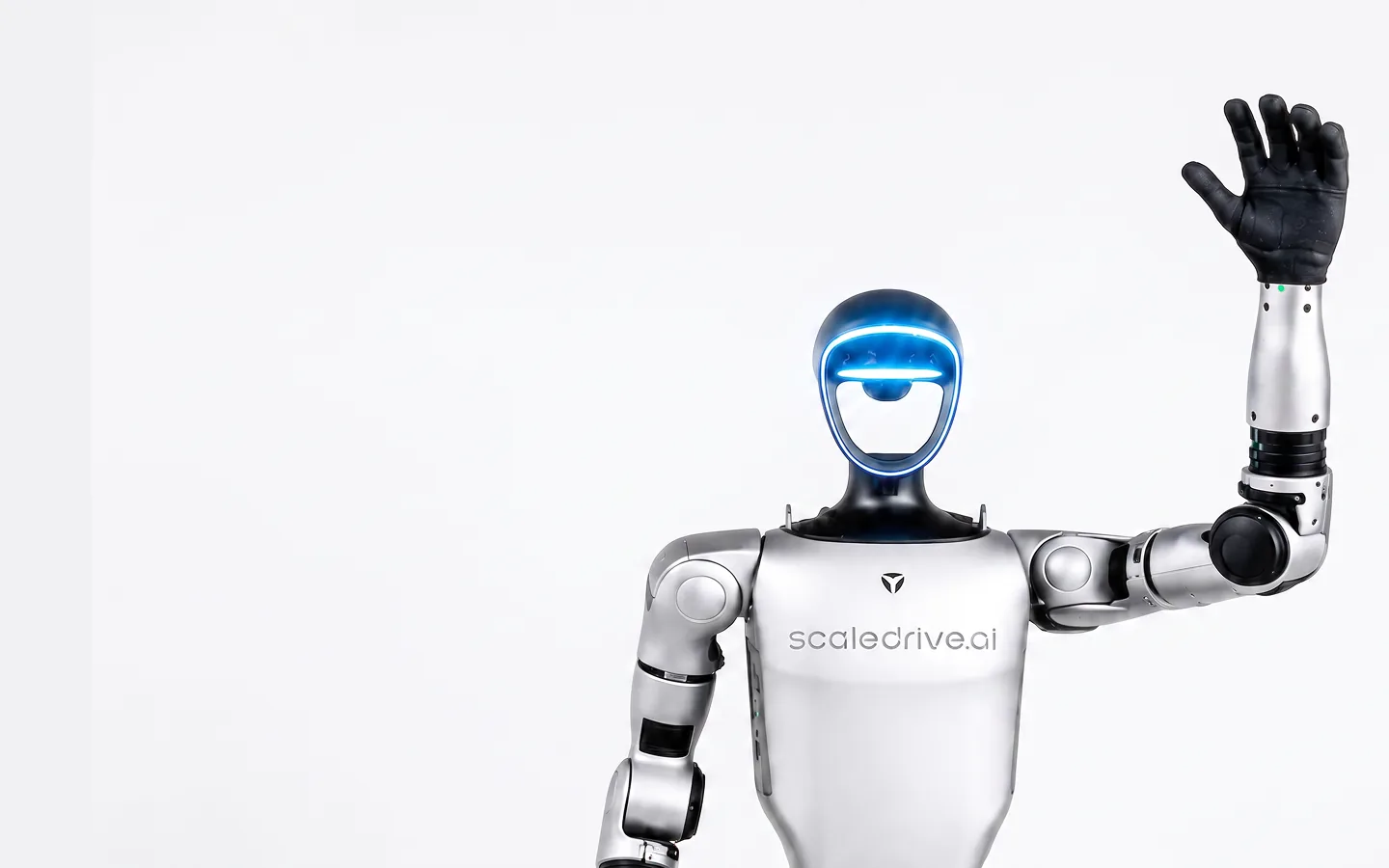
Robots that keep working, safely, around people.
Talk to us
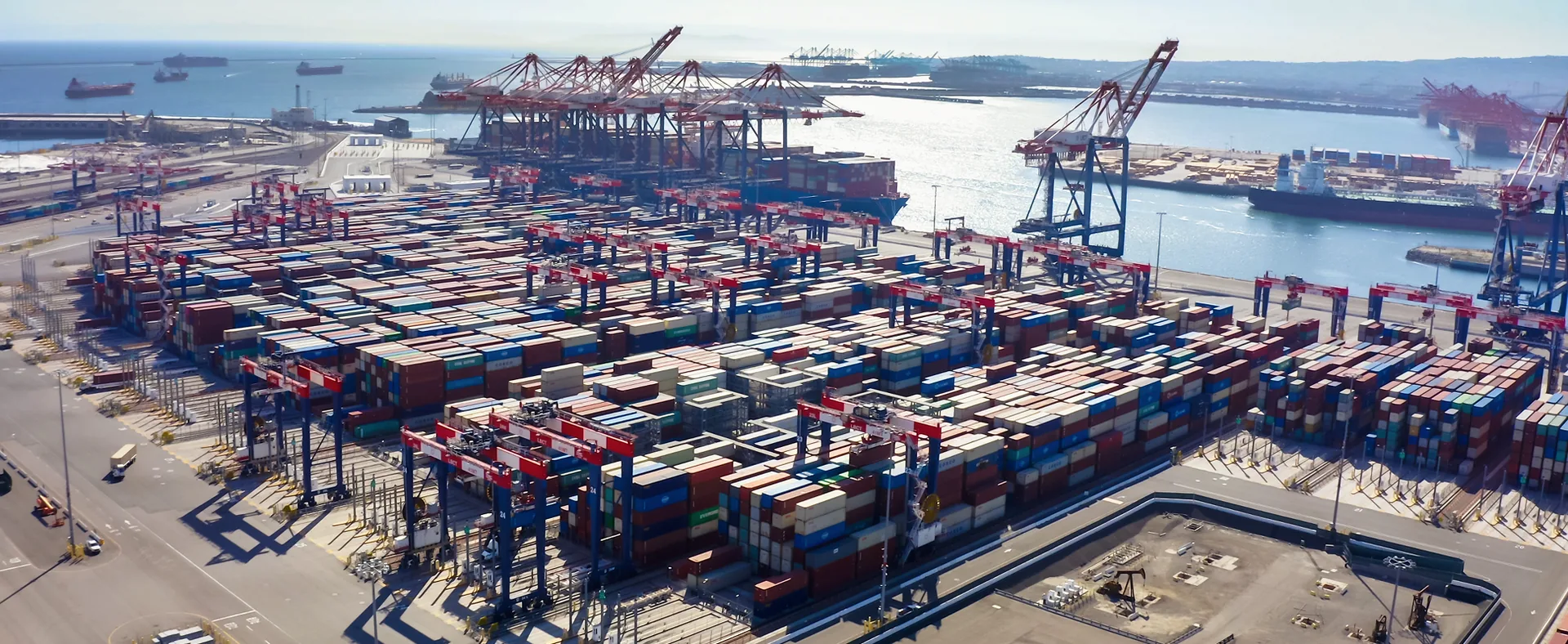
Every stop costs a move. Across a shift, those delays add up.
Our autonomy stack predicts human movement, plans around it, and keeps the operation flowing.
Live deployment: AMRs moving containers through mixed traffic at ports.
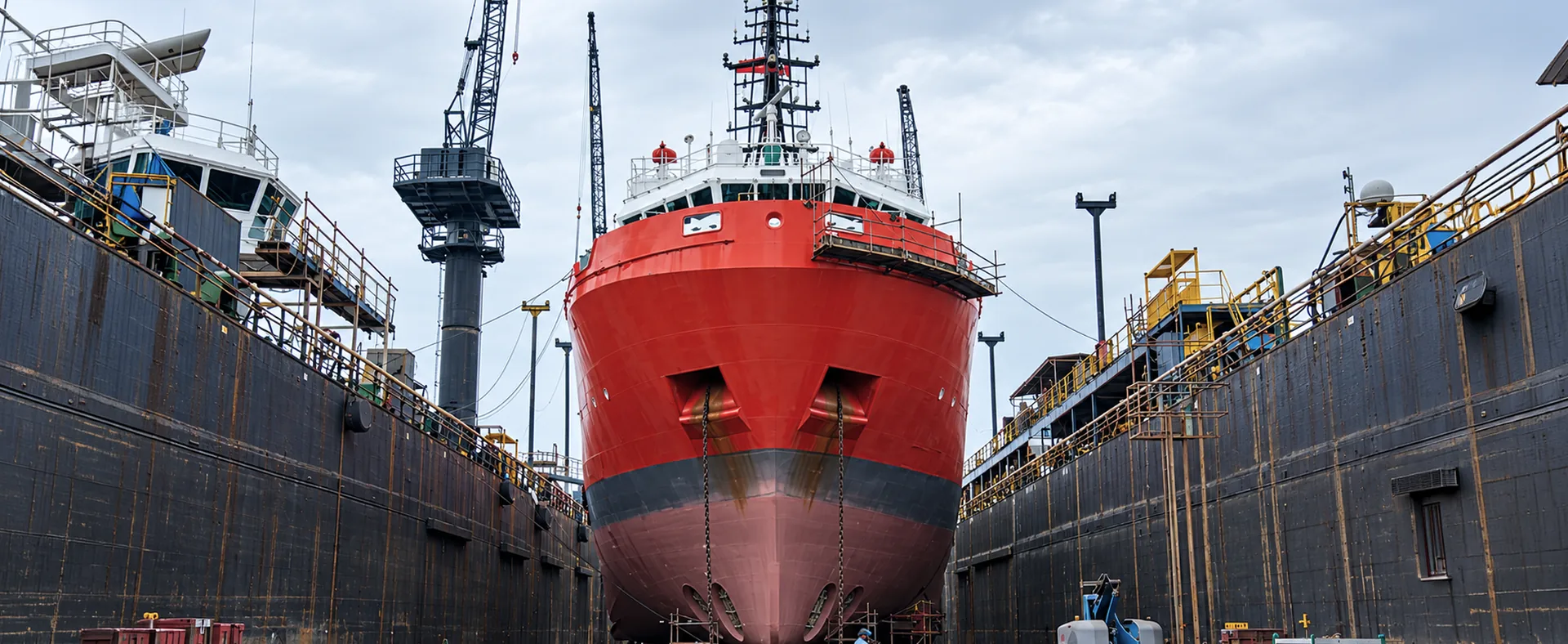
Ship construction involves countless repetitive inspection tasks. As vessels take shape, access routes and working conditions constantly change. Manual inspections take too much time.
Our autonomy software turns repetitive inspections into automated workflows.
Robots running our stack navigate construction sites, carry out inspection rounds, and collect data as work progresses. Our planning and safety layers enable reliable operation alongside changing site conditions.
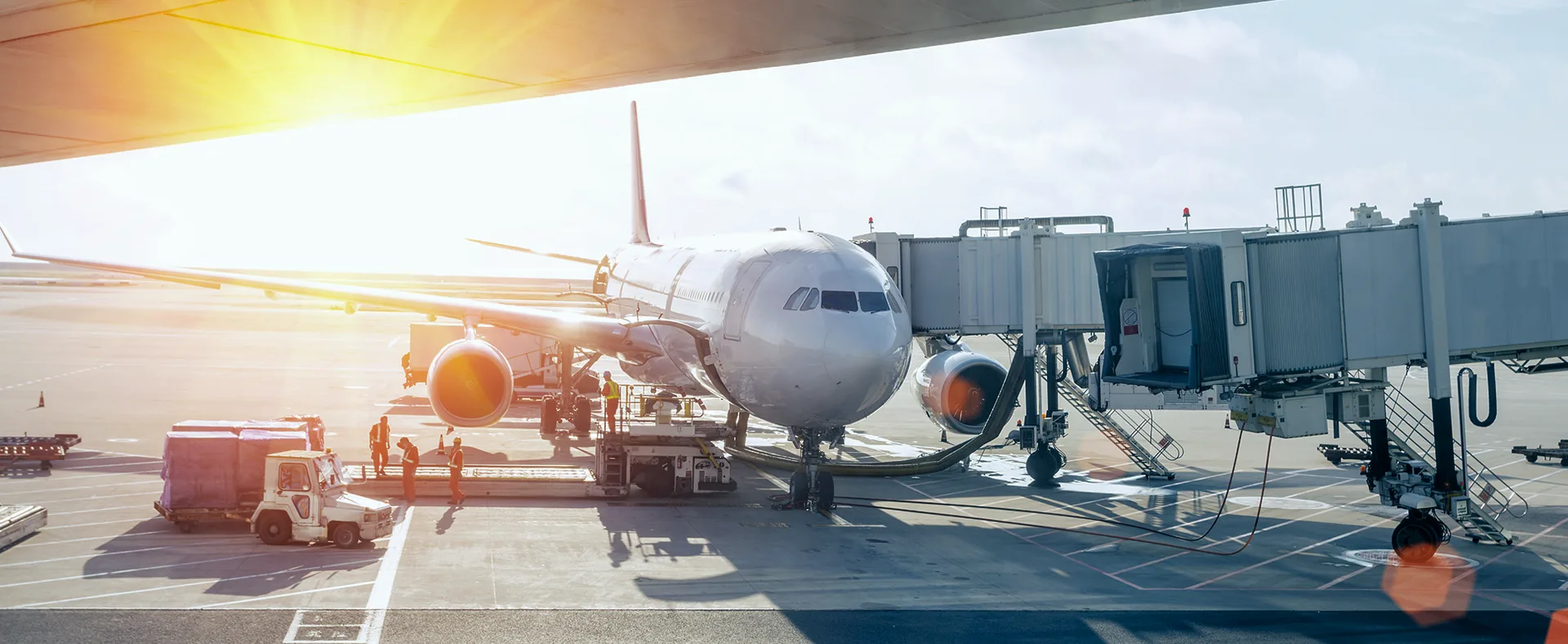
That’s why autonomous vehicles need more than reliable navigation to operate on the apron. They need a safety case that airports, regulators, and insurers can trust.
Our safety layer defines mathematically verified boundaries around people, aircraft, and vehicles. Combined with predictive autonomy, the safety architecture enables robots to anticipate movement, adapt their paths, and maintain safe separation.
The sites look nothing alike, but the problem is the same. A person steps into the path, and the robot has to know it can keep going safely.